

Kexin Li
(she/her/hers)
Therapist
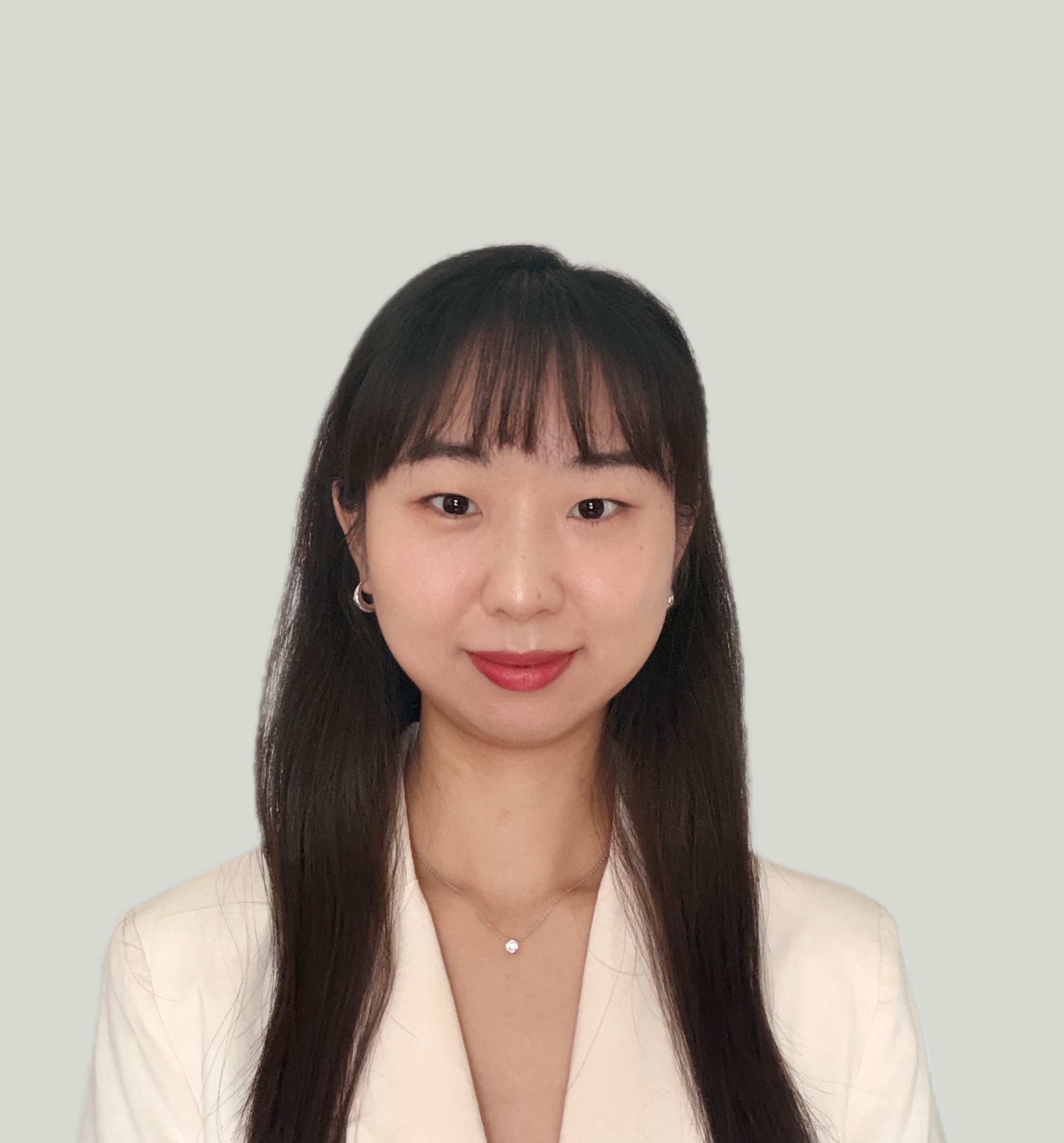
I believe therapy offers something many people rarely experience in everyday life: a space to slow down, feel understood, and become curious about themselves. I believe healing begins not by fixing ourselves, but by understanding the ways we have learned to adapt and protect ourselves over time. As people develop a deeper understanding of themselves, meaningful change often emerges naturally—not because they are trying harder, but because they begin making choices that feel more authentic and aligned with who they are becoming.
I enjoy working with adolescents and adults navigating anxiety, depression, life transitions, identity exploration, relationship challenges, procrastination, and the unique experiences that can come with immigration, multicultural identities, and family or cultural expectations. I am also interested in supporting clients as they explore questions related to gender and sexuality. Many people come to therapy during times when familiar ways of coping no longer seem to fit the person they are becoming. I am especially drawn to working with thoughtful and reflective individuals who often appear capable on the outside while quietly carrying self-doubt, emotional exhaustion, or a longing to feel more connected—to themselves, to others, and to the life they want to create.
I approach therapy with curiosity rather than judgment, working collaboratively with clients to deepen self-understanding, explore patterns that once helped them adapt but may no longer serve them, and create space for new ways of relating to themselves and others. I believe people already possess many of the strengths they need, and that therapy can help them reconnect with those strengths as they move forward in ways that feel authentic and meaningful. My work is primarily grounded in psychodynamic, relational, and humanistic therapy, while integrating existential, cognitive behavioral (CBT), and mindfulness-based approaches based on each client's unique needs.
Having grown up in China and later moving to the United States for graduate school, I understand many of the complexities of adapting to a new culture, living between different worlds, and searching for a sense of belonging. As a bilingual therapist providing therapy in both English and Mandarin Chinese, I hope to create a space where clients feel genuinely seen and understood, and where they can develop greater self-compassion and confidence in navigating their lives.